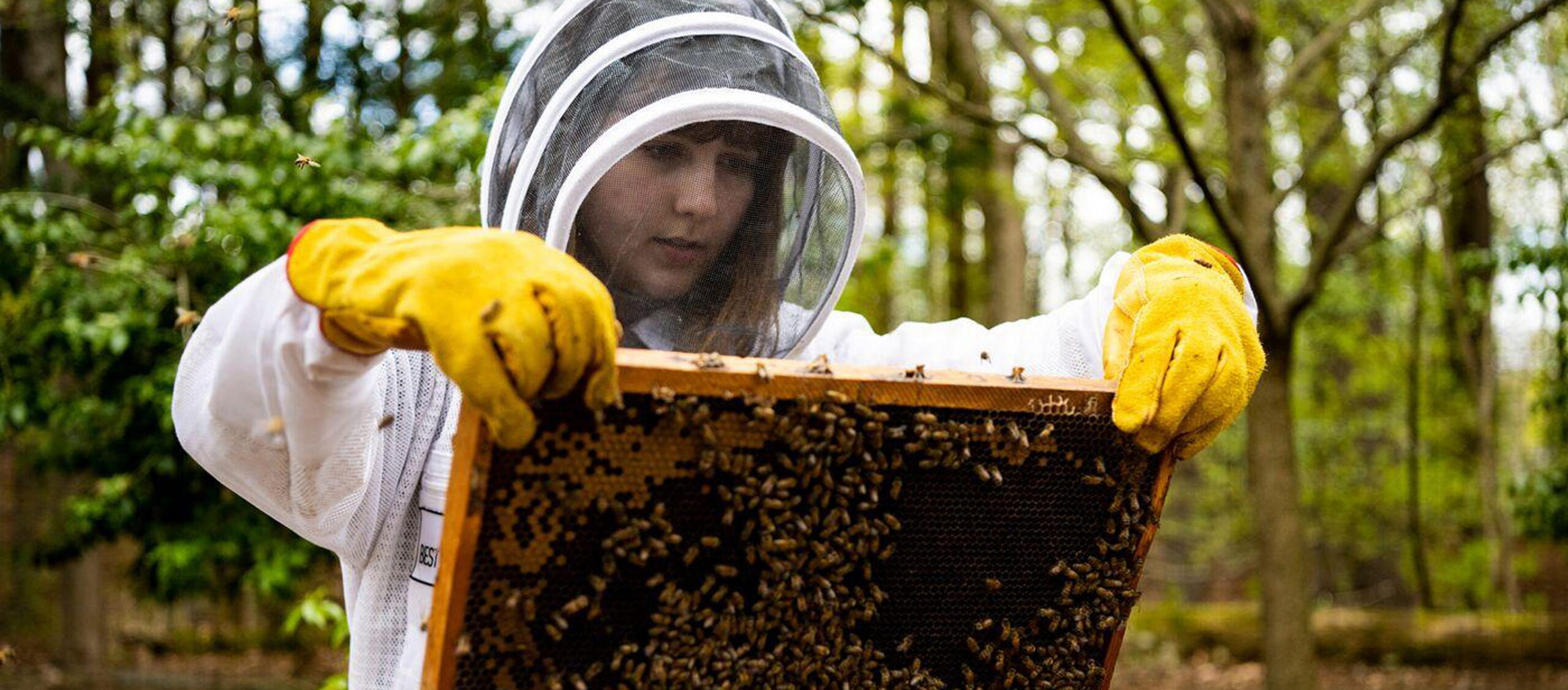
Telling the experience story
At Northeastern, experiential learning is how we learn, explore ideas and solutions, and shape the world.
It runs through every college, every campus, every technology, and every audience we serve: students building their careers, faculty pushing the boundaries of their fields, employers developing tomorrow’s workforce, and alumni driving impact across industries.
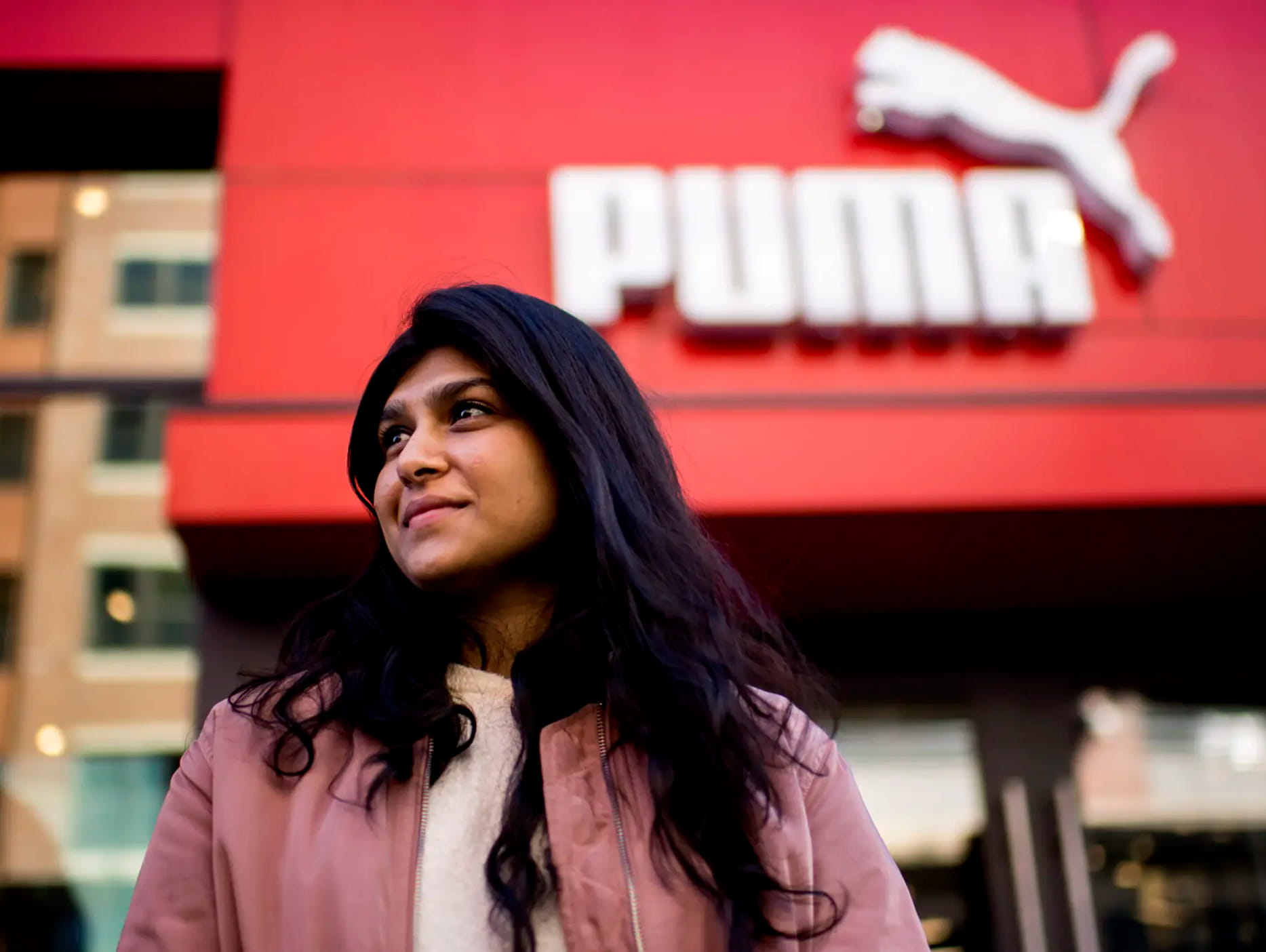
Northeastern’s official experiential learning source
Northeastern’s experiential learning site is the first stop for students, parents, faculty, and employers looking for resources related to all things experiential.
- What experiential learning means at Northeastern—and how it differs from a single internship or co-op
- An always up-to-date, searchable list of the range of experience types: co-op, research, service-learning, global programs, and more
- What makes our model distinctive, including depth of employer partnerships and outcomes data
How to talk about experiential learning
Here’s a quick overview of tips for telling the experience story. For a deeper dive on experiential learning specifically, including visual guidelines, review the Experiential Learning Toolkit on our brand assets site.
Lead with the explorer.
Northeastern students, faculty, and alumni aren’t passive learners—they’re active participants in the world. Frame experiential learning as an orientation toward discovery, not just a program offering. The impulse to go find out is core to who we are.
Connect experience to human agency and AI readiness.
AI is reshaping every field. What this moment demands is the human agency–creativity, critical thinking, empathy, ethical reasoning, judgment—that only comes from working in the world. Experiential learning is how those capacities are developed. Make the connection explicit: our model doesn’t just prepare people for an AI-driven world—it prepares them to shape it responsibly.
Use experience in headlines; reserve experiential for precision.
In ad copy, taglines, and display type, “experience” is more immediate and relatable. “Experiential learning” is the formal term for our model—use it when precision matters in narrative and supporting proof points.
Tell the whole story, not just co-op.
Co-op is Northeastern’s most recognized experiential program, but research, apprenticeships, service-learning, global dialogues, and experiential projects are all part of the same model. When communications only surface co-op, they undersell the breadth of what’s available and exclude students and partners from the value of the full range. Explore the options on our experiential learning site.
Show, don’t summarize.
Concrete experiences outperform abstract claims. Instead of “students gain real-world skills,” show the student who debugged a product launch at a biotech startup before graduation, or the faculty member whose research shifted a federal policy. Specificity is credibility.
Invite the audience into the discovery.
Don’t just tell people what Northeastern does. Frame it as an open door—where will you go? What will you find? What problems are yours to solve? Messaging that sparks curiosity resonates more than messaging that only asserts.
Use data and stories together.
Outcomes data builds credibility; stories make it real. Use both to demonstrate Northeastern’s depth of expertise in workforce development, emerging sectors, and the future of work.
Language guidance
Audience-specific tips
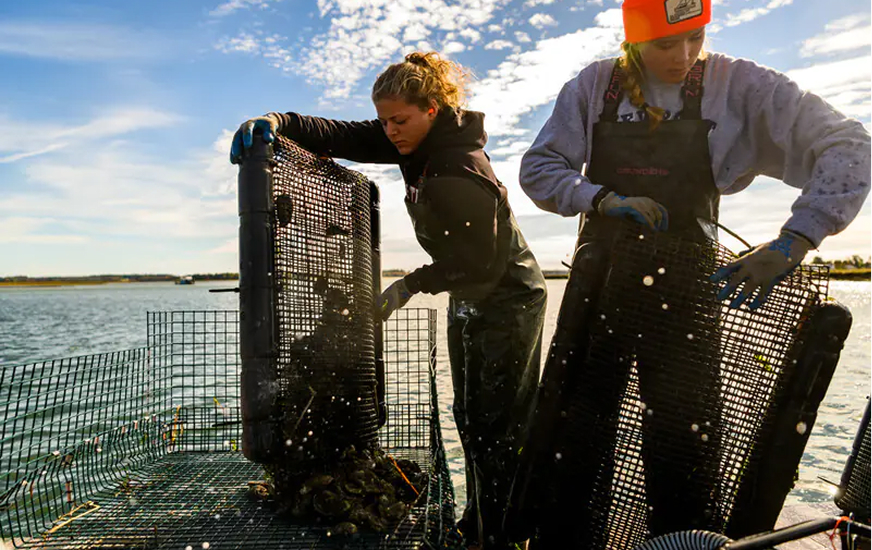
Undergraduates and prospective students
Lead with agency and discovery. What will they do? Who will they meet? What doors open? Emphasize end-to-end support, but frame co-op and other experiences as choices they make—not things that happen to them.

Parents
Emphasize outcomes, structure, and support. Co-op is the signature program—and a powerful proof point—but help parents see how co-op, research, service-learning, and global experiences build on each other over four years. Cite our 100+ years of leadership in this arena.
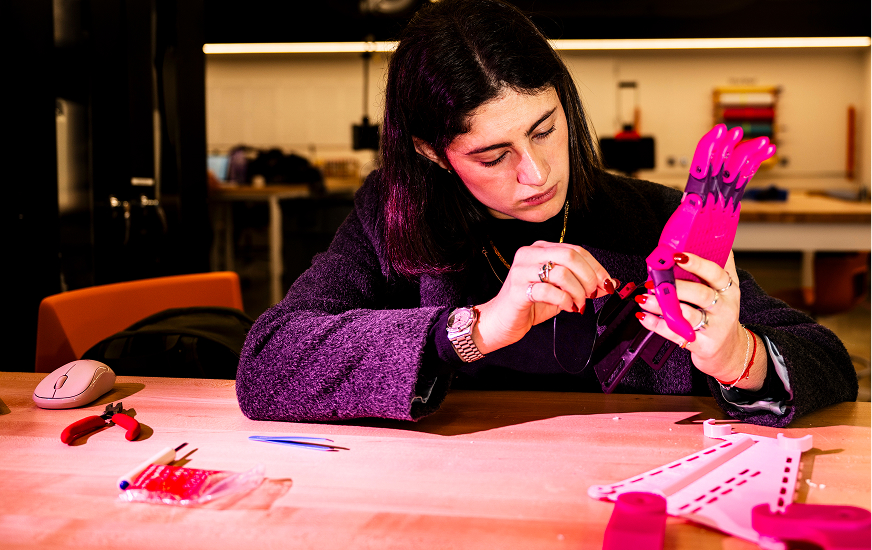
Graduate students
Lead with depth, not exploration. Experiential learning at this level is about advancing expertise—through projects for real employers, corporate residencies, clinicals, and research experiences. Co-op is available in some programs but isn’t the default. Don’t overpromise on co-op access.
Faculty and staff
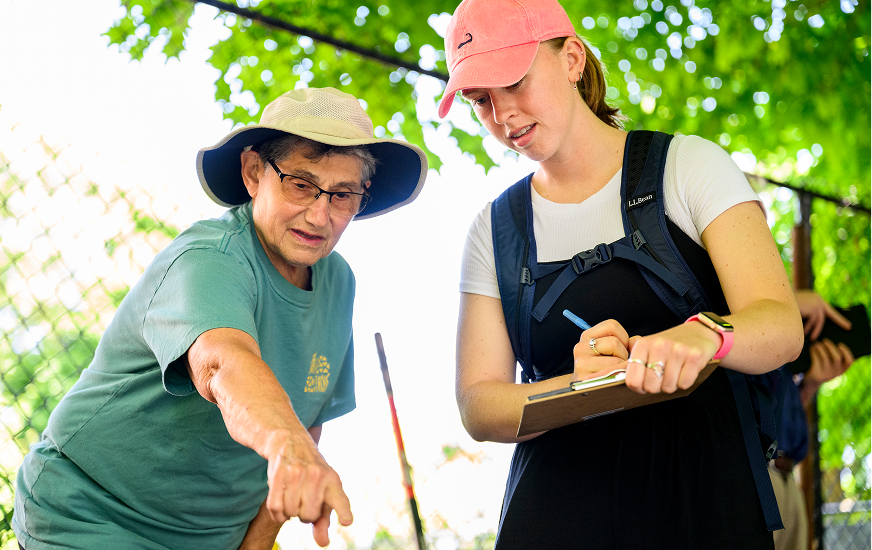
Frame experience as an institutional philosophy, not just a student program. Research co-ops, industry residencies, and dual appointments are part of the same ethos. Experience is a shared commitment to learning and discovery that’s in direct encounter with the world.

Employer partners
Lead with the value exchange—access to talent, co-created solutions, and a pipeline that goes from co-op through PhD. Northeastern’s depth of partnership experience means the process is smooth and the relationships are lasting.
Alumni
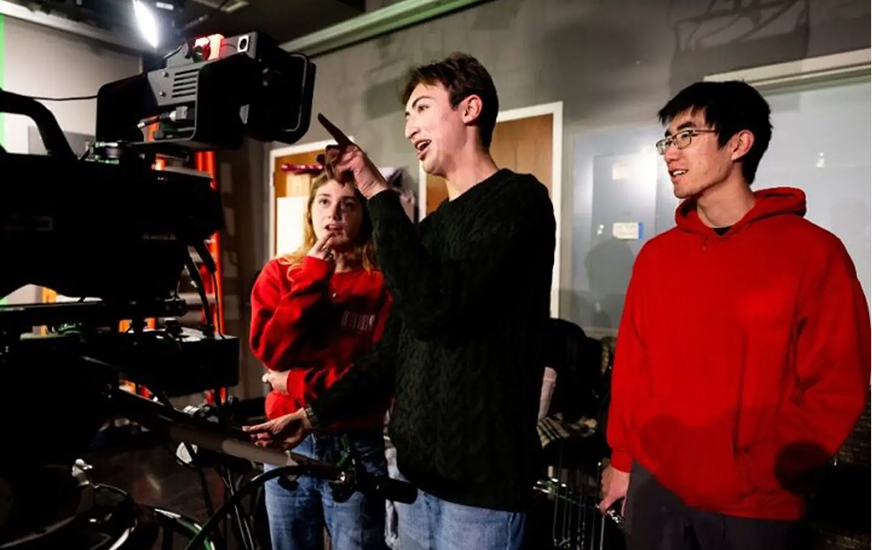
Position their own career trajectories as proof of the model. Alumni who want to give back can do so as mentors, co-op hosts, or research collaborators—re-entering the experience ecosystem from the other side.
Resources

Experiential learning toolkit
Refer to the Experiential Learning Toolkit for deeper messaging guidance, audience-specific talking points, and data

NGN
For brand-approved stories and videos about experience, go to Northeastern Global News and official YouTube channel

Experiential learning hub
Your first stop for information and resources related to all things experiential